Solar Electricity Systems: Industrial Solar Energy Systems Supply Companies With Sustainable And Cost-Effective Power Solutions
Opening the Benefits of Industrial Solar Panels
Picture a vast roof humming quietly with energy-- sunlight changed into a consistent stream of electrical power. This isn't a scene from a futuristic novel; it's the everyday truth for businesses welcoming industrial photovoltaic panels. But what makes this financial investment more than simply a green gesture? The benefits ripple far beyond the obvious.
Why Should Companies Think About Solar?
First of all, energy independence. When the sun rises, so does your power supply. No longer shackled to unpredictable energy rates or the whims of energy markets, companies gain a trustworthy source of electricity. It resembles having your own power plant on-site-- silent, invisible, and constantly sustainable.
Secret Advantages in a Nutshell
- Cost Cost Savings: Slash electrical power bills by creating your own power.
- Environmental Effect: Considerably lower your carbon footprint-- due to the fact that every kilowatt counts.
- Brand name Image: Showcase dedication to sustainability, bring in eco-conscious customers and partners.
- Energy Security: Secure operations against power blackouts and grid instabilities.
- Tax Advantages: Utilize monetary incentives that reward green investments (check local schedule)
Does Size Truly Matter?
For industrial spaces, size often equates to opportunity. Larger roofs or open land mean more panels, which implies more power. Even little to mid-sized organizations can gain surprising dividends. Consider this: a modest system can offset a significant part of your energy use, turning a modest patch of sunlight into considerable savings.
Personal Insight: A Tale of Transformation
Years ago, a good friend who runs a mid-sized factory chose to install photovoltaic panels after a particularly brutal power blackout halted production for days. The transition wasn't simply about preventing downtime-- it ended up being a story of strength and development. Today, his facility runs smoother, costs are down, and the group takes pride in their green credentials. Often, the sun doesn't just light up-- it empowers.
Evaluating the Effect: An Easy Contrast
| Aspect | Standard Energy | Industrial Solar Panels |
|---|---|---|
| Cost Over ten years | Variable, frequently increasing | Foreseeable, mostly fixed after setup |
| Ecological Impact | High emissions | Zero emissions |
| Energy Dependability | Subject to blackouts | Consistent and reputable |
| Roi | None | Strong, increasing gradually |
Why stick with the old methods when you can harness a cleaner, smarter, and more sustainable energy source? Business solar panels aren't just panels-- they're a paradigm shift for the modern organization landscape.
Website Evaluation: The Crucial Initial Step
Envision a large rooftop, shimmering under the sun, waiting silently to end up being a powerhouse of renewable resource. But before any panel touches that surface area, a meticulous site evaluation is paramount. This isn't almost determining square video footage; it has to do with comprehending shading patterns, roofing integrity, and even the angle of the sun throughout the year. Neglecting subtle nuances like seasonal sun course changes can slash expected output by up to 20%.
One professional idea: constantly use thermal imaging during the assessment. It exposes hidden heat losses or possible spots where the setup may deal with structural strain later on. It's like having X-ray vision for your roof.
Permitting and Paperwork: Browsing the Labyrinth
Does paperwork feel like a limitless maze? For commercial solar setups, protecting permits can be the longest leg of the journey. Yet, a streamlined documents procedure is the trump card to avoid setup delays. Knowing which regional authorities require detailed electrical schematics or ecological impact declarations speeds up approval times.
A smart technique includes preparing a comprehensive project file that includes:
- System design diagrams
- Structural load computations
- Affiliation arrangements with energies
- Ecological assessments
Expecting file requests before they come up can save weeks, often months.
Setup Steps: From Blueprint to Brightness
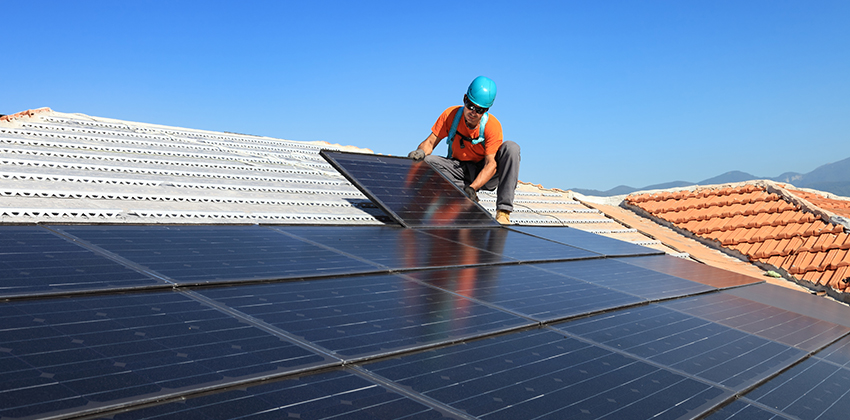
As soon as the groundwork is laid, the physical installation starts-- a choreography of accuracy and timing:
- Structural reinforcement: Reinforcing the roofing to bear the weight of solar arrays is non-negotiable. This frequently includes including steel supports or cross bracing.
- Mounting system setup: Whether ballasted or penetrative mounts, picking the ideal system secures against wind uplift and water ingress.
- Panel positioning: Panels must be lined up for optimum tilt and orientation, optimizing sunlight capture. Little misalignments can decrease efficiency drastically.
- Electrical wiring and inverter setup: Wiring needs to abide by strict safety standards, and inverters need strategic positioning for cooling and availability.
- Checking and commissioning: This last step includes efficiency validation and security checks to accredit the system's readiness.
Environmental and Structural Prerequisites
Not every commercial roof is a prospect for solar panels. Flat roofing systems may need additional installing angles, while steep Solar Systems Installation Service roofs present safety dangers throughout setup. Remember the story of a storage facility that needed to halt its whole project because the roof could not support the load without pricey reinforcement? Early structural studies can preempt such expensive surprises.
The system's combination with existing electrical facilities is vital. Overwhelming an out-of-date grid connection can trigger interruptions or necessitate pricey upgrades. Coordinating with a licensed electrical contractor throughout preparing guarantees seamless combination.
Expert Tips for a Smooth Installation
- Schedule installations during shoulder seasons to avoid extreme weather condition interruptions.
- Usage drones for pre-installation studies-- this conserves time and provides in-depth images of hard-to-reach areas.
- Include micro-inverters or power optimizers in systems with partial shading to preserve output.
- Document every action meticulously; this help future troubleshooting and service warranty claims.
- Train onsite workers on emergency situation shutdown procedures to adhere to security procedures.
Exploring the Spectrum: Varieties of Industrial Solar Panels
Ever stood underneath the large expanse of a solar variety and questioned, what makes these panels tick differently? The commercial photovoltaic panel landscape is as varied as a painter's palette, each type tailored for particular applications and effectiveness requirements. From crystalline silicon supremacy to amorphous alternatives, the options shape the energy future of services.
Crystalline Silicon Panels: The Workhorses
Many business setups prefer monocrystalline and polycrystalline photovoltaic panels. Monocrystalline panels, created from single-crystal silicon, boast higher efficiency and a smooth black look. They thrive in tight areas where every watt matters. On the other hand, polycrystalline panels, composed of several silicon fragments melted together, use an affordable option with a little lower efficiency.
- Monocrystalline: Efficiency up to 22%, much better in low-light conditions
- Polycrystalline: Performance around 15-17%, cost-effective for large rooftops
Consider this: a warehouse roofing with minimal square footage may decide for monocrystalline to make the most of output, while stretching factory websites with vast roofing system areas can leverage polycrystalline panels to balance cost and efficiency.
Thin-Film Solar Panels: The Lightweight Contenders
Thin-film technology typically flies under the radar but shines in special scenarios. These panels layer photovoltaic product onto versatile substrates, making them incredibly light and versatile to unconventional surfaces. Their performance remains listed below crystalline counterparts, their resilience in high temperatures can be a game-changer.
Here's an insider suggestion: when industrial structures face intense heat that usually throttles panel effectiveness, thin-film panels often keep their cool-- and power output-- steadier.
Emerging Technologies: Beyond the Standard
As the solar frontier expands, bifacial panels and building-integrated photovoltaics (BIPV) are rewording the guidelines. Bifacial panels catch sunshine from both sides, sometimes enhancing general yield by as much as 30%, particularly when mounted over reflective surfaces. BIPV flawlessly mixes solar cells into building products like glass exteriors or roof tiles, turning architecture itself into an energy generator.
| Type | Efficiency Range | Suitable Use Case | Unique Advantage |
|---|---|---|---|
| Monocrystalline | 18-22% | Minimal rooftop area | High effectiveness in low light |
| Polycrystalline | 15-17% | Large roofing system locations | Economical production |
| Thin-Film | 10-12% | Versatile surfaces, hot environments | Lightweight, temperature strength |
| Bifacial | 20-25% | Reflective ground or rooftops | Dual-sided energy capture |
Peeling Back the Layers: What Should You Focus on?
Choosing the ideal commercial solar panel isn't simply about selecting the most effective or the least expensive. Think of the installation environment, shading patterns, and the expected life-span. For example, panels in dusty desert environments might face gradual effectiveness dips from staining-- something seldom apparent in the beginning look but crucial over decades.
One experienced developer as soon as shared how a relatively small choice in panel type caused a substantial power differential after a few years-- highlighting the value of lining up panel technology with site-specific conditions.
Professional Tips for Decision-Making
- Evaluate your roofing system's solar access with a comprehensive shade analysis throughout the year.
- Factor in temperature coefficients; panels with lower coefficients carry out better under heat tension.
- Think about lifecycle and degradation rates; some panels lose less performance each year.
- Explore system design flexibility-- can you mix panel types to optimize cost and output?
Ecological Effect and Sustainability
Think of a large rooftop sparkling under the sun, each business solar panel silently converting sunshine into tidy energy. What about the story behind these panels? The ecological footprint starts long previously installation-- mining of silicon, energy-intensive production, and transport all add layers to their overall impact. Yet, compared to nonrenewable fuel sources, the balance tips decidedly in favor of solar. How often do we stop briefly to think about the lifecycle emissions embedded in these innovations?
One crucial insight that many neglect: the carbon repayment duration. This is the time it takes for a solar panel to generate the amount of energy that was utilized to produce it. For industrial ranges, this period is generally under three years-- impressive when panels last 25 years or more. Believe about it: beyond that brief window, every kilowatt-hour generated is virtually carbon-free.
Material Sustainability in Business Solar
Not all solar panels are created equally when it comes to sustainability. The option of materials can drastically affect environmental results:
- Monocrystalline vs. Polycrystalline: Monocrystalline panels tend to have higher effectiveness however need more energy to produce.
- Thin-film innovations: These use less product and can be more sustainable however often compromise efficiency.
- Recyclability: Panels include valuable metals like silver and aluminum, which can be recovered, minimizing waste.
Beyond the Panels: The Ecosystem of Sustainability
Business solar tasks must consider more than the panels themselves. The land use footprint can stimulate argument. Is the setup displacing natural habitats or agricultural land? Business that integrate solar varieties on rooftops or formerly disrupted land decrease ecological pressure drastically.
Water consumption is another subtle yet important factor. Standard power plants guzzle water for cooling, however solar PV systems need none. This difference ends up being vital in drought-prone regions where water deficiency shadows energy production.
Professional Tips for Taking Full Advantage Of Sustainability
- Optimize orientation and tilt: Proper panel placement minimizes energy losses, making sure the system's ecological return is made the most of.
- Execute energy storage sensibly: Matching solar with batteries can lower reliance on fossil-fuel backup, but consider the ecological expense of battery production and disposal.
- Prepare for end-of-life: Establish strategies for panel reuse or recycling from the start to prevent land fill accumulation.
- Monitor system efficiency: Keeping an eye on destruction rates assists guarantee panels operate near peak performance over their lifespan.
Could the future hold photovoltaic panels made from biodegradable or completely recyclable products? Research study is pressing limits with perovskite and organic photovoltaics, promising a paradigm shift in sustainability. Business solar stays an effective lever in minimizing greenhouse gas emissions and cultivating a cleaner commercial footprint.